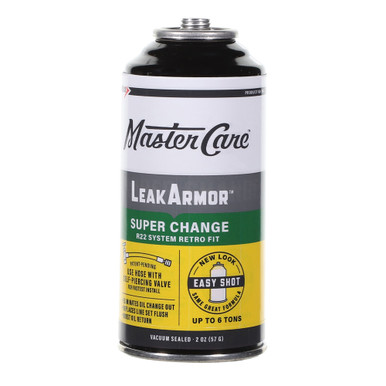
Navigating the R22 Phase-Out: The Revolutionary No-Flush Super Change Method
The HVAC industry has been in a state of continuous evolution, driven by environmental concerns and technological advancements. A significant shift has been the global phase-out of R22 refrigerant, an ozone-depleting substance, compelling countless homeowners and businesses to consider upgrading or retrofitting their existing R22 air conditioning and refrigeration systems. Traditionally, converting an R22 system to a more environmentally friendly HFC refrigerant like R410A was a laborious, expensive, and time-consuming process, often requiring a full system flush to remove residual mineral oil. However, a groundbreaking solution known as the b super change method has emerged, revolutionizing this conversion by making it faster, easier, and more cost-effective than ever before.
This innovative approach, centered around a specially formulated liquid additive, allows for a seamless transition from R22 to R410A without the necessity of flushing the system's existing mineral oil. It represents a monumental leap forward, saving technicians countless hours and reducing significant costs associated with traditional retrofit methods. Dive in to understand how the b super change product redefines R22 system retrofits and what makes it the preferred choice for modern HVAC professionals.
What is the "No-Flush Super Change Method" and How Does it Work?
At its core, the no-flush b super change method utilizes a unique liquid additive designed to create robust compatibility between the system's original mineral oil and newer HFC refrigerants, particularly R410A and R407C, which typically require POE (Polyolester) oil. The primary challenge in converting R22 systems lies in the incompatibility between mineral oil (used with R22) and HFC refrigerants (which use POE oil). Mixing these without a bridge can lead to oil logging, reduced heat transfer, and ultimately, compressor failure.
The b super change additive acts as this crucial bridge. When introduced into an R22 system, it mixes with and chemically modifies the mineral oil, transforming it into a synthetic-like lubricant that can readily mix with and be carried by HFC refrigerants. This ensures proper oil return to the compressor and maintains optimal lubrication, preventing the issues associated with traditional retrofits. The absence of a flushing requirement means the system can be converted without removing the compressor, line set, or evaporator, streamlining the entire process. This method not only simplifies the retrofit but also enhances system performance by optimizing heat transfer and ensuring efficient oil circulation, which directly translates to extended compressor life and improved overall efficiency.
Unlocking the Benefits: Why Choose b Super Change for Your R22 to R410A Conversion
The advantages of employing the b super change solution for R22 to R410A conversions are extensive, offering both immediate and long-term benefits for HVAC systems:
- Eliminates the Need for Costly & Time-Consuming Flushing: This is perhaps the most significant benefit. By avoiding the mineral oil flush, technicians save hours of labor and the expense of recovery equipment and new POE oil, making the conversion significantly more efficient and affordable.
- Strong Oil Compatibility Link: The additive creates a strong compatibility link, allowing the existing mineral oil to mix seamlessly with HFC refrigerants like R410A. This ensures proper oil return to the compressor and prevents lubricant-related issues.
- Reduces Operating Pressure and Compressor Head Temperatures: By improving heat transfer and oil return, the system operates under less stress. Lower head temperatures and pressures mean less strain on the compressor, enhancing its longevity.
- Increases Cooling Capacity: Optimized heat transfer means the system can transfer more heat, leading to improved cooling performance and comfort.
- Versatile Application: Suitable for both air conditioning and refrigeration systems, making it a flexible solution across various HVAC/R applications.
- No TXV Replacement Required: The additive’s properties ensure that the Thermostatic Expansion Valve (TXV), typically designed for R22, can continue to function effectively with R410A, eliminating another potential cost and labor step.
- No Special Tools or Equipment: Technicians can perform the conversion using their existing standard HVAC tools, requiring only the b super change product itself and its specific reusable hose (sold separately for convenience).
- Broad Compatibility: It is compatible with all lubricants, elastomers (seals and gaskets), and filter driers, ensuring no adverse reactions within the system components.
- Significantly Reduces Energy Consumption: By maximizing heat transfer and oil return, the system runs more efficiently, leading to substantial reductions in energy use and lower utility bills. For insights into maximizing system performance, you can boost HVAC efficiency and extend compressor life with Super Change.
- Extends the Life of the Compressor: Reduced operational stress, better lubrication, and optimal heat exchange all contribute to a longer lifespan for the system's most critical and expensive component.
- Safety and Environmental Responsibility: The additive is non-toxic, non-flammable, non-corrosive, and environmentally safe, aligning with modern ecological standards.
- Compatibility with Multiple HFCs: Beyond R410A, the product is also compatible with R407C, R427A, and R422B, offering flexibility for various retrofit scenarios. For technicians looking for an easy R22 retrofit for diverse HFC refrigerants, Super Change offers an unparalleled advantage.
Practical Implementation: Tips for a Seamless Super Change Retrofit
Implementing the b super change method is designed to be straightforward, making it an ideal solution for a variety of retrofit scenarios, especially for dry charge units and existing R22 systems nearing the end of their refrigerant supply. Here are some practical tips to ensure a successful conversion:
- Assess System Health: Before any retrofit, a thorough inspection of the R22 system is crucial. Ensure there are no leaks, the components are in good working order, and the compressor is healthy. While b super change extends compressor life, it cannot fix pre-existing mechanical failures.
- Correct Sizing is Key: One can of b super change is formulated to treat systems up to 6 tons. For larger commercial systems or multiple smaller units, ensure you have the appropriate quantity.
- Required Accessory: Remember that the 20122 reusable hose is required for proper application and is sold separately. Having this specialized hose ensures a clean and efficient injection of the additive into the system.
- Follow Manufacturer's Instructions Precisely: While the method simplifies the process, adherence to DiversiTech's specific instructions for injecting the additive and charging with the new refrigerant is paramount for optimal results and warranty compliance.
- Evacuate Properly: Even though a flush isn't needed for oil removal, a proper evacuation of the system to remove non-condensable gases and moisture is always essential before introducing the new refrigerant.
- Monitor Performance: After the conversion, monitor system pressures, temperatures, and overall performance to confirm efficiency gains and proper operation. The reduction in operating pressure and head temperatures should be noticeable.
- Professional Installation: Although designed for ease of use, the conversion process still involves handling refrigerants and working with complex machinery. It is always recommended that this procedure be performed by a certified HVAC technician to ensure safety and compliance with environmental regulations.
By following these guidelines, technicians can leverage the full potential of the b super change method, transforming older, less efficient R22 systems into modern, high-performing units ready for years of reliable service with R410A.
The Long-Term Impact: Economics and Environment
The decision to convert an R22 system using the b super change method carries significant economic and environmental implications. Economically, avoiding a full system replacement can save property owners thousands of dollars. The reduced labor and material costs associated with the no-flush process further amplify these savings. Moreover, the enhanced energy efficiency post-conversion translates into lower monthly utility bills, offering a sustained return on investment over the lifespan of the upgraded system.
From an environmental perspective, the benefits are equally compelling. R22 is a potent greenhouse gas, and its continued use or release contributes to climate change. By converting to R410A, a non-ozone-depleting HFC with a lower global warming potential than many alternatives, system owners are making a responsible choice. Furthermore, extending the life of existing HVAC equipment through a retrofit rather than discarding it reduces waste and the energy footprint associated with manufacturing new units. The environmentally safe formulation of b super change itself underscores a commitment to sustainable practices in the HVAC industry, offering a pathway to modern efficiency without compromising ecological integrity.
Conclusion
The R22 phase-out presented a substantial challenge for the HVAC industry, but innovative solutions like the b super change method have transformed this challenge into an opportunity. By offering a fast, cost-effective, and environmentally responsible way to convert R22 systems to R410A without the need for flushing, this additive has become an indispensable tool for technicians and a boon for property owners. Its ability to create a strong compatibility link between diverse oils, boost efficiency, extend compressor life, and simplify the retrofit process truly sets it apart. Embrace the future of HVAC system conversion with the no-flush b super change method – a smart choice for performance, savings, and sustainability. For more information on how this product can benefit your system, do not hesitate to reach out to certified HVAC professionals.